
How Sanitary Pigging Systems Work in Hygienic Processing Industries ?
Maintaining sanitary standards throughout the production process is essential in businesses where efficiency, cleanliness, and product purity are crucial. To guarantee low contamination and optimum product recovery, industries like food & beverage, pharmaceuticals, cosmetics, and dairy processing need sophisticated solutions. Sanitary pigging systems are useful in this situation.
These systems are designed to recover the residual product from the pipeline while maintaining strict hygiene standards. By reducing waste and improving operational efficiency, they have become an essential component in modern hygienic processing industries.
What Are Sanitary Pigging Systems?
Specialized pipeline cleaning and product recovery systems known as “sanitary pigging systems” employ a tool known as a “pig” to force leftover product out of pipes. Sanitary pigging, in contrast to traditional pigging devices, is made especially for hygienic settings where contamination must be prevented at all costs.
Usually, food-grade or pharmaceutical-grade materials like silicone or polyurethane are used to create the “pig.” With the help of compressed air, water, or another process-compatible medium, it moves through the pipeline and pushes the leftover product in the direction of the discharge point.
How Do Sanitary Pigging Systems Work?
Understanding the working mechanism of sanitary pigging systems helps industries appreciate their efficiency and reliability. The process can be broken down into several key steps:
1. Product Transfer Phase
During normal operations, liquids or semi-liquids such as sauces, creams, syrups, or pharmaceutical solutions flow through pipelines. However, a certain amount of product always remains inside the pipes after transfer.
2. Pig Insertion
Once the primary product transfer is complete, a pig is inserted into the pipeline via a launcher. This pig is designed to fit tightly within the pipe, ensuring effective scraping and pushing of residual product.
3. Pig Propulsion
The pig is then propelled through the pipeline using compressed air, nitrogen, or water. As it moves forward, it pushes the remaining product ahead of it, ensuring almost complete recovery.
4. Product Recovery
The residual product is collected at the receiving end and can be reused or packaged, significantly reducing waste and increasing profitability.
5. Cleaning and Sanitization
After product recovery, the system can undergo cleaning processes such as CIP (Clean-in-Place). Since most of the product has already been removed, cleaning becomes faster, more efficient, and uses fewer resources.
Key Components of Sanitary Pigging Systems
To ensure smooth and hygienic operation, sanitary pigging systems consist of several essential components:
- Pig Launcher and Receiver – For inserting and retrieving the pig
- Food-Grade Pig – Designed for hygienic environments
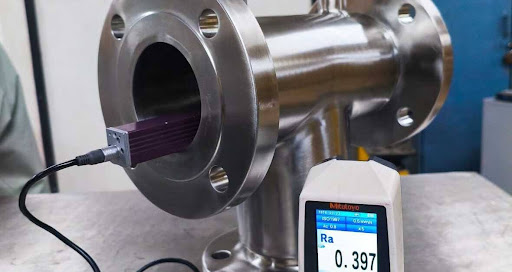
- Pipeline System – Typically made of stainless steel for easy cleaning
- Control System – Automates pigging operations
- Valves and Sensors – Ensure proper direction and monitoring.
Companies like IUS Pigging specialize in designing advanced pigging solutions that meet strict hygiene standards across industries.
Why Hygienic Industries Rely on Sanitary Pigging
Cleanliness and efficiency must not be compromised in the hygienic processing sectors. The following explains the popularity of sanitary pigging systems:
1. Maximum Product Recovery
One of the biggest advantages is the ability to recover up to 99% of the product from pipelines, minimizing waste.
2. Improved Hygiene Standards
The use of food-grade materials and sealed systems ensures that there is no contamination during product recovery.
3. Reduced Cleaning Time
Since pipelines are nearly empty after pigging, cleaning requires less time, water, and chemicals.
4. Cost Efficiency
Reduced product loss and lower cleaning costs contribute to significant savings over time.
5. Sustainability
By minimizing waste and reducing water usage, pigging systems support environmentally sustainable practices.
Applications in Hygienic Processing Industries
Sanitary pigging systems are used across various industries where hygiene is critical:
- Food & Beverage – Sauces, juices, dairy products, chocolate, and syrups.
- Pharmaceuticals – Liquid medicines, gels, and creams.
- Cosmetics – Lotions, shampoos, and creams.
- Dairy Processing – Milk, yogurt, and cheese production.
IUS Pigging provides tailored solutions for these industries, ensuring both efficiency and compliance with strict regulatory standards.
Integration with Modern Automation
Operators can manage the process with little manual intervention thanks to the integration of automated control systems with modern sanitary pigging equipment. Automation guarantees:
- Regular performance
- Decreased human error
- Improved oversight and management
- Integration of current production processes with ease
They are therefore perfect for large-scale industrial facilities looking to maximize productivity.
Conclusion
Efficiency and cleanliness are closely related in the sanitary processing industries. Sanitary pigging systems provide a dependable way to preserve hygiene, recover valuable products, and lower operating expenses. These methods guarantee that enterprises may satisfy both economic and regulatory criteria by employing a straightforward yet incredibly efficient approach.