
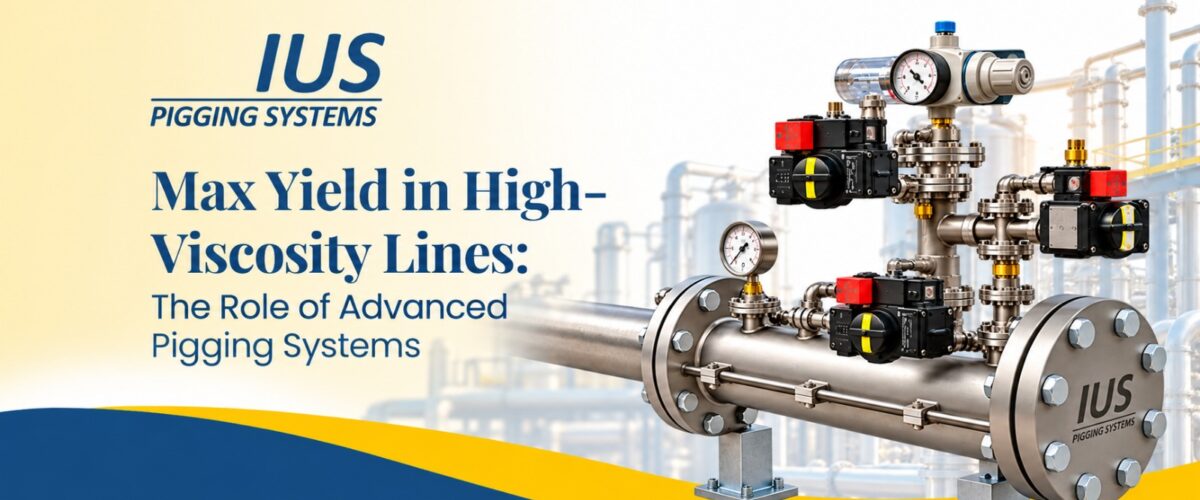
Max Yield in High-Viscosity Lines: The Role of Advanced Pigging Systems
Optimizing yield is crucial to increasing production efficiency and reducing operating costs in sectors that handle high-viscosity products. After production or transmission, products like chocolate, sauces, creams, pastes, adhesives, syrups, and other viscous materials can leave substantial residues inside pipelines. Every production cycle may result in the loss of valuable product if these residues are not successfully retrieved.
Pigging Systems can offer an effective solution in this situation. Manufacturers can recover leftover product, cut waste, and increase material use by employing specifically made pigs to travel through pipelines. IUS Pigging offers pigging solutions for a variety of industrial applications that are intended to address process efficiency and product recovery.
Understanding High-Viscosity Product Lines
Low-viscosity liquids and high-viscosity goods behave differently. Because of their thickness, they are more challenging to pass through pipelines, especially when manufacturing lines have bends, direction changes, valves, or lengthy pipe segments.
A portion of the product may be stuck in the line or adhere to the internal pipe walls when a production batch is moved. To get rid of these residues, traditional flushing techniques would need a lot of water and cleaning agents. Product loss, waste water production, cleaning time, and overall operational costs may all rise as a result.
Recovering as much of the leftover product as feasible can directly affect production economics for firms handling price sensitive and delicate products.
How Pigging Helps Maximize Product Yield
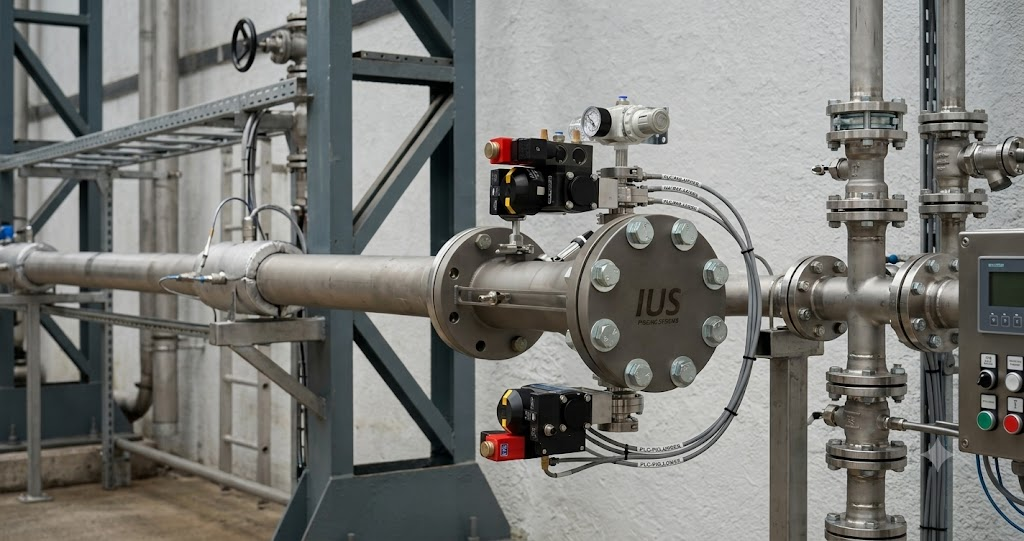
The basic principle behind pigging is straight forward. A purpose-designed pig is introduced into the pipeline and pushed through the line using a suitable medium or process pressure. As the pig travels through the pipeline, it pushes the remaining product toward the desired destination.
This process can significantly reduce the amount of product left inside the pipeline after a transfer operation. Instead of flushing valuable material away during cleaning, manufacturers can recover a greater proportion of the product before the cleaning stage begins.
Advanced Pigging Systems can also be configured according to the characteristics of the product, pipeline design, line diameter, operating conditions, and required recovery levels. This flexibility makes pigging suitable for a variety of high-viscosity applications.
Benefits of Pigging High-Viscosity Lines
Higher Product Recovery
One of the primary advantages of pigging is improved product recovery. When the pig moves through the pipeline, it can remove a large portion of the residual product that would otherwise remain inside the line.
For manufacturers processing costly ingredients or finished products, recovering this material can help increase effective yield from every production batch.
Reduced Product Waste
Product waste is not only a material cost; it can also increase the environmental burden of manufacturing. Recovering residual product before cleaning can reduce the amount of material that enters waste water streams.
By minimizing product left inside pipelines, manufacturers can make their production processes more resource-efficient.
Lower Cleaning Requirements
After product recovery, the amount of material that needs to be removed during the cleaning process can be considerably lower. Depending on the application and system design, this may help reduce the consumption of water, cleaning chemicals, and energy.
It can also shorten cleaning cycles, allowing production equipment to become available sooner for the next batch.
Improved Production Efficiency
Frequent production changes can create challenges for facilities handling multiple products. Pigging can help clear pipelines more efficiently between batches, supporting faster product changeovers.
This can be particularly valuable in facilities where production schedules involve different products, formulations, or flavours.
Applications Across High-Viscosity Industries
Pigging technology can be applied across several industries where viscous products are transported through pipelines. Food and beverage manufacturers may use pigging for products such as chocolate, sauces, syrups, dairy products, and other semi-solid materials.
The technology can also be relevant to personal care, cosmetics, pharmaceutical, chemical, and other processing industries where product recovery and pipeline efficiency are important.
For example, chocolate processing involves the movement of a highly viscous product through dedicated pipelines. Recovering the remaining chocolate at the end of a transfer can help manufacturers reduce waste while improving the utilization of raw materials.
Choosing the Right Pigging Solution
A successful pigging application depends on selecting a system that matches the pipeline and product characteristics. Factors such as product viscosity, temperature, pipeline diameter, pipe length, number of bends, valves, connections, and cleaning requirements should be considered during system design.
The pig also needs to be compatible with the product and operating conditions. A properly engineered solution should provide effective product recovery without negatively affecting the pipeline, product quality, or subsequent cleaning process.
The technical team at IUS Pigging focuses on developing customized solutions based on individual process requirements. This approach helps manufacturers address the specific challenges associated with high-viscosity product transfer and recovery.
Why Advanced Pigging Matters for Maximum Yield
Modern Pigging Systems are more than a method for removing products from pipelines. When properly designed and integrated into a production process, they can contribute to improved yield, reduced waste, faster changeovers, and more efficient cleaning.
For manufacturers working with high-viscosity materials, even a small reduction in product loss across multiple production cycles can result in meaningful savings over time. Recovering valuable products before cleaning also allows businesses to make better use of raw materials while improving overall process efficiency.
Conclusion
Maximizing yield in high-viscosity processing lines requires manufacturers to look beyond the production stage and consider what happens to the product remaining inside pipelines. Effective product recovery can help reduce wastage, improve material utilization, and support efficient manufacturing operations.
Advanced pigging technology provides a practical approach to this challenge. With the right system design, manufacturers can recover residual product, reduce cleaning requirements, and improve the efficiency of high-viscosity production lines.
With its focus on industrial product recovery solutions, IUS Pigging can help businesses explore pigging technologies suited to their specific pipeline and processing requirements.
For industries where every kilogram of product matters, an effective pigging solution can play an important role in achieving higher yield and more sustainable production.