
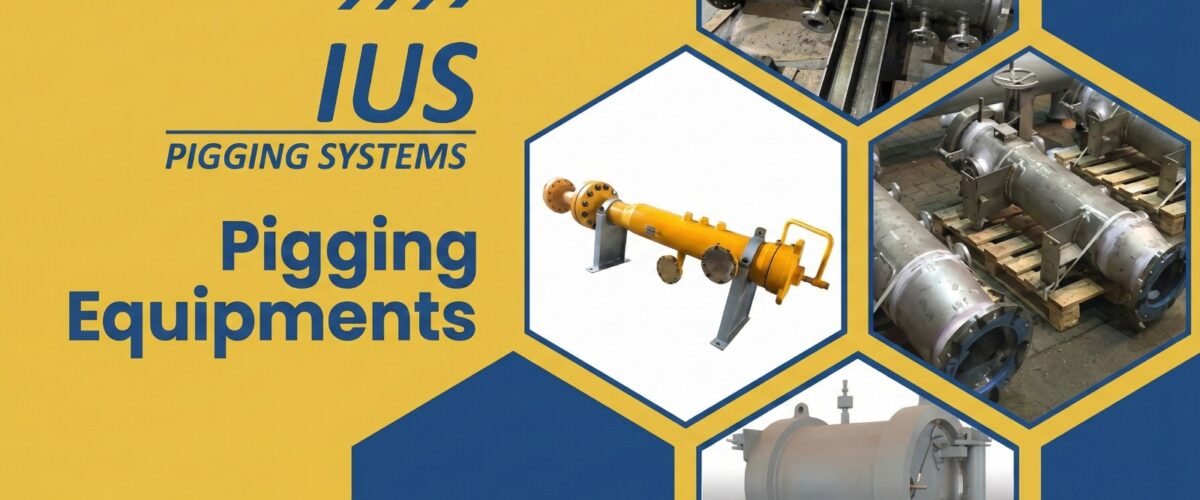
Common Types of Pigging Equipment Used in Pipeline Maintenance
Effective maintenance techniques are essential for pipeline operators worldwide to guarantee product flow, efficiency, and safety. Pigging is one of the most popular and adaptable techniques in this field.
Pigging is the process of passing machines known as “pigs” through pipelines to carry out various operations such product separation, cleaning, inspection, and debris removal.
Pigging technology has advanced dramatically over time, providing a variety of equipment types tailored to particular operational needs. In this blog, we explore the common types of pigging equipment used in pipeline maintenance and how they contribute to maximizing system performance.
1. Cleaning Pigs
The simplest and most widely used kind of pigging tool is a cleaning pig. These pigs, as their name implies, are made to clear deposits and accumulation inside the pipeline in order to maintain ideal flow conditions.
Types of Cleaning Pigs
- Foam pigs: Made from resilient foam, these pigs are ideal for light cleaning tasks and can navigate bends and irregular sections with ease.
- Brush pigs: Equipped with stiff nylon or wire brushes, they are used for moderate to heavy cleaning, scrubbing away stubborn debris and scale.
- Disc pigs: Featuring rubber discs around a central body, they provide excellent sealing to scrape off residues and dislodge contaminants.
Cleaning pigs is a critical first step in most pigging operations, ensuring the pipeline interior remains free of contaminants that could hinder flow or interfere with other inspection tools.
2. Foam Pigs
Although form pigs are related to the cleaning pigs, they deserve special mention due to their unique characteristics and versatility in the pigging process.
Why Foam Pigs Are Useful
- Flexible: Can handle tight bends and varying diameters.
- Cost-effective: Made from lightweight foam, they are inexpensive and ideal for frequent use.
- Gentle cleaning: Suitable for removing light deposits without damaging the pipeline coating.
Foam pigs are frequently used in industries like oil and gas, water transmission, and food pipelines. Their ability to conform to irregular shapes makes them a go-to choice for many routine pigging tasks.
3. Batching and Utility Pigs
Many pipeline systems require the sequential, non-mixing transportation of various materials. In order to separate these products, batching pigs are essential.
Batching Pig Function
- Separate different fluids or product batches
- Prevent cross-contamination
- Facilitate consistent quality during transportation
Utility pigs, on the other hand, are general-purpose pigs that can serve in cleaning, batching, or simple push operations where advanced functionalities aren’t necessary. Their adaptability makes them a staple in many pigging programs.
4. Plug Pigs
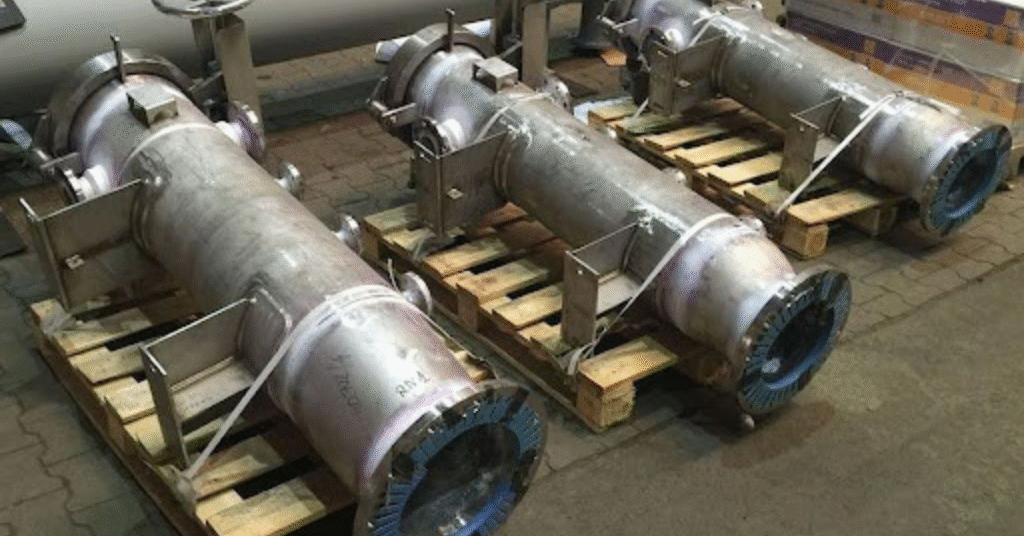
Heavy-duty pigging equipment called plug pigs are usually utilized for building or repairing pipelines.
Common Applications
- Blocking sections of a pipeline for pressure tests
- Isolating damaged sections
- Facilitating safe maintenance work
Because they provide a robust seal, plug pigs are often used in hydrostatic testing and emergency shutdown scenarios. They ensure that certain pipeline segments remain isolated while operations continue elsewhere.
5. Specialized Pigs
Beyond the standard equipment types, several specialized pigs serve niche but critical roles in unique pipeline systems.
Examples
- Gel pigs: Used in highly viscous environments where traditional pigs may struggle.
- Cleaning with chemical dosing pigs: Release cleaning agents during traversal for enhanced removal of stubborn debris.
- High-temperature pigs: Built for pipelines carrying hot products like steam or heavy oil.
These specialized pigs often embody the latest innovations in pigging technology and are tailored for specific operational challenges.
Integrating Pigging into Pipeline Maintenance
A number of variables, such as pipeline diameter, product type, flow conditions, and maintenance objectives, influence the choice of pigging equipment. In order to choose and modify pigging tools that meet their system needs, many operators now collaborate with industry experts such as IUS Pigging.
IUS Pigging has established a solid reputation for creating dependable, effective pigging solutions for a variety of industries. Their products are designed to improve operational efficiency and extend pipeline life.
Benefits of Using the Right Pigging Equipment
Investing in the correct pigging tools delivers several advantages:
- Enhanced flow efficiency: Regular cleaning pigs prevent buildup that can restrict flow.
- Cost savings: Preventive pigging reduces unplanned shutdowns and expensive repairs.
- Product quality maintenance: Batching pigs helps maintain product purity during transportation.
Final Thoughts
An essential part of contemporary pipeline maintenance is pigging. There is a pigging solution made to meet your needs, regardless of your objectives routine cleaning, product batching, or specialty operations. Pipeline operators can select the best instruments and tactics to ensure peak performance and long-term dependability by being aware of the common types of pigging equipment.
Organizations may confidently deploy pigging programs that fulfill both operational and safety objectives thanks to reputable manufacturers like IUS Pigging.
IUS Pigging equipment are indigenously manufactured thus offering value for money and faster and more efficient service.